
Our Work & Impact
Success Stories
Our integrated approach ensures lasting impact on policy and practice
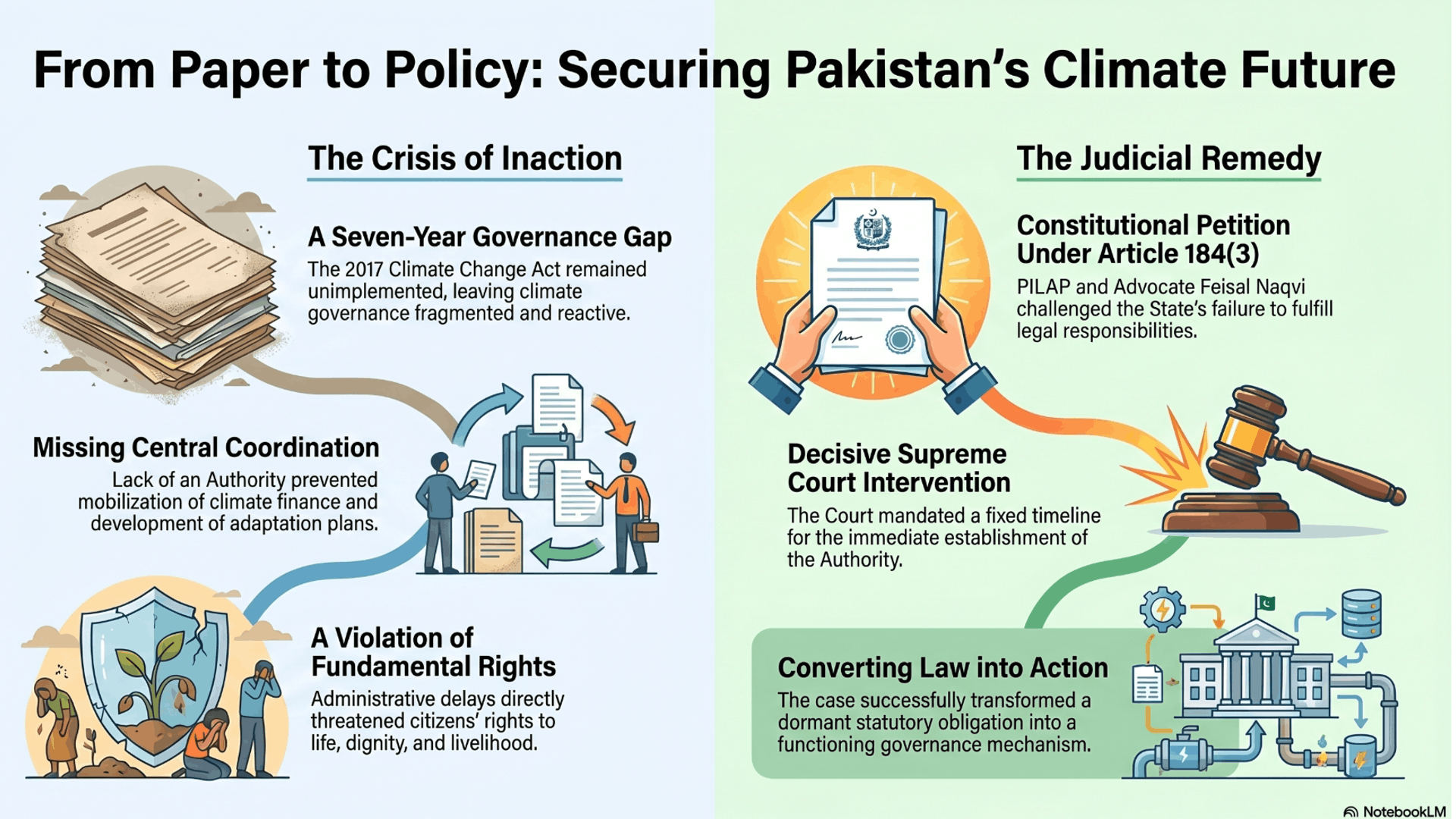
Turning Climate Law into Climate Action: The PILAP Case
A successful legal intervention was made by the Public Interest Law Association of Pakistan (PILAP) and Advocate Feisal Naqvi to address government inaction regarding environmental policy.
Although legislation to create a national climate body was passed in 2017, the actual organization remained unformed for years, leaving the country without a central strategy for environmental resilience.
The case was brought before the Supreme Court of Pakistan, where petitioners argued that failing to implement climate protections violated the fundamental rights of citizens. Following a judicial mandate, the government finally established the Pakistan Climate Change Authority to manage mitigation efforts and international commitments.
This case serves as a prime example of how public interest litigation can bridge the gap between written law and functional governance.
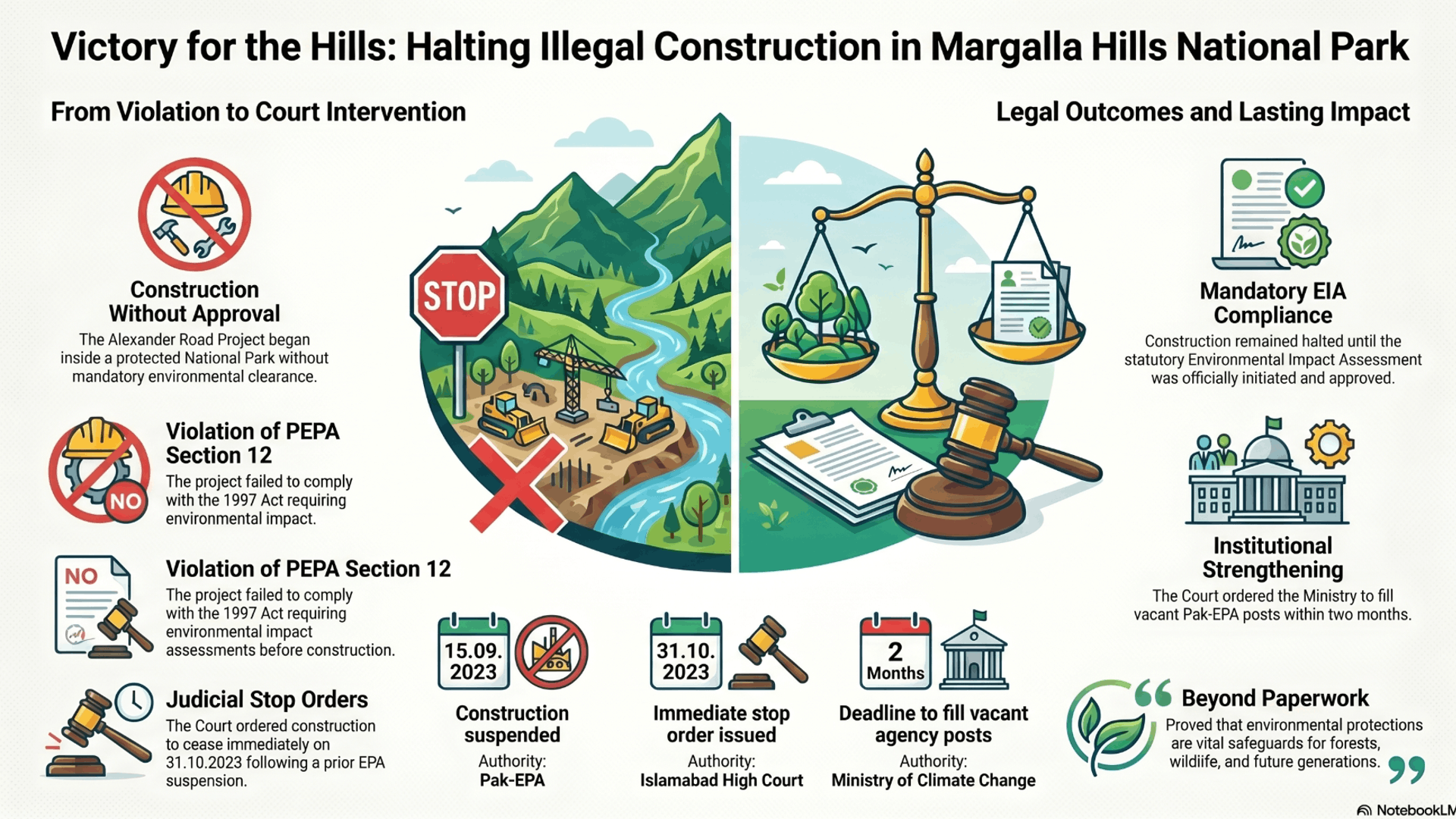
Defending the Margalla Hills: A Victory for Environmental Law
Check out this legal victory by the Public Interest Law Association of Pakistan (PILAP) against illegal construction within the Margalla Hills National Park.
By challenging the Alexander Road Project in court, the organization highlighted the failure of developers to obtain mandatory environmental clearances before beginning work. The Islamabad High Court intervened to halt construction, eventually forcing the project to undergo a formal Environmental Impact Assessment.
Beyond the immediate site, the judiciary addressed broader governance issues by ordering the government to fix staffing shortages at the national environmental agency.
Ultimately, the text illustrates how citizen-led legal action can enforce ecological regulations and preserve Pakistan’s natural heritage against unauthorized development.
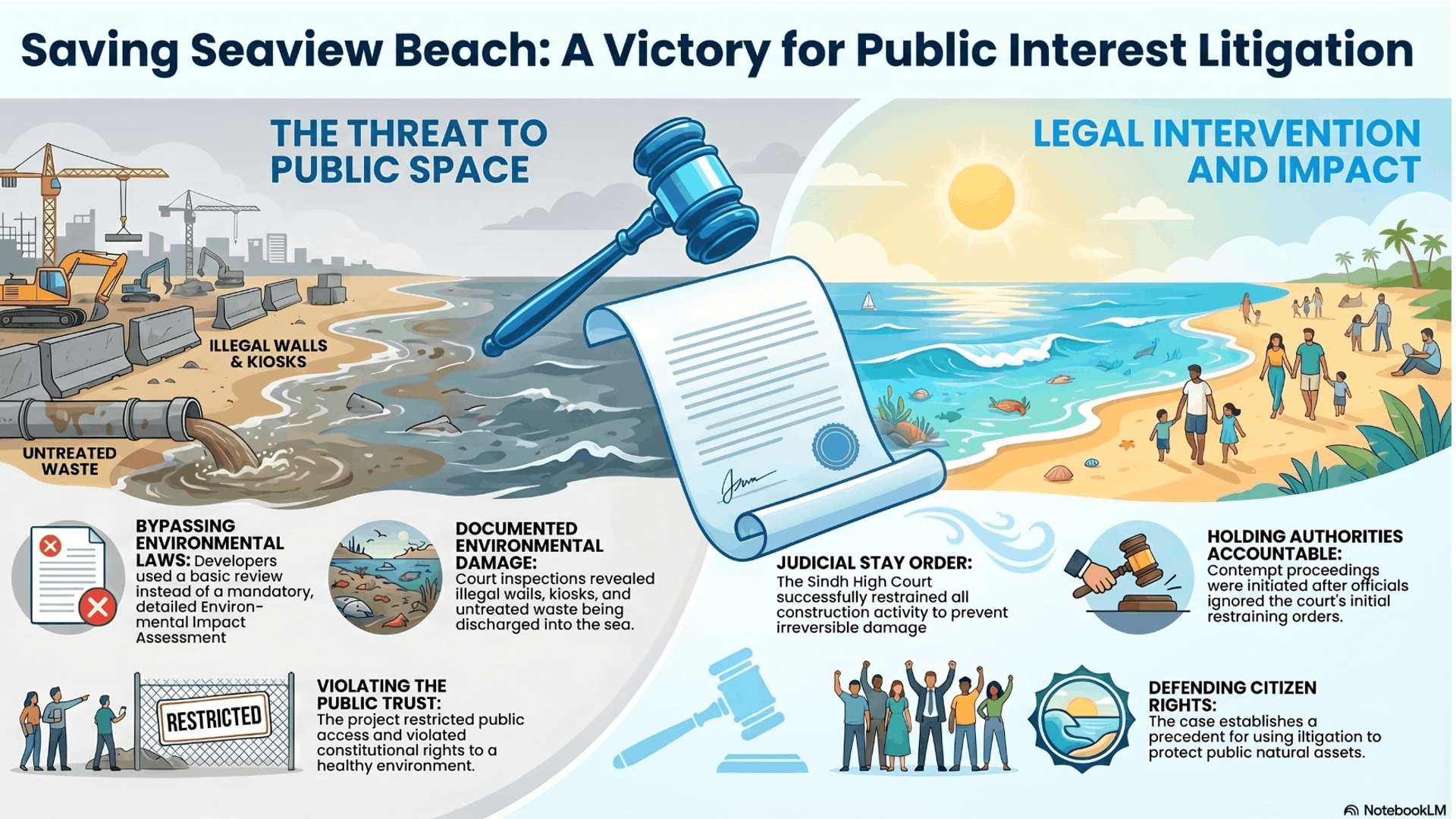
Protecting Karachi’s Seaview Beach from Unlawful Development
This story is about a legal challenge led by public interest groups against unauthorized commercial development at Karachi’s Seaview Beach.
These organizations successfully petitioned the Sindh High Court, arguing that the project lacked the mandatory Environmental Impact Assessment required to protect the coastline.
Although the court issued a restraining order, subsequent inspections revealed that construction and pollution continued, leading to further judicial action regarding contempt.
This case highlights the importance of judicial oversight in holding government bodies accountable and safeguarding public assets from ecological harm. Ultimately, the source frames this ongoing struggle as a victory for environmental law and the preservation of free public access to natural spaces.
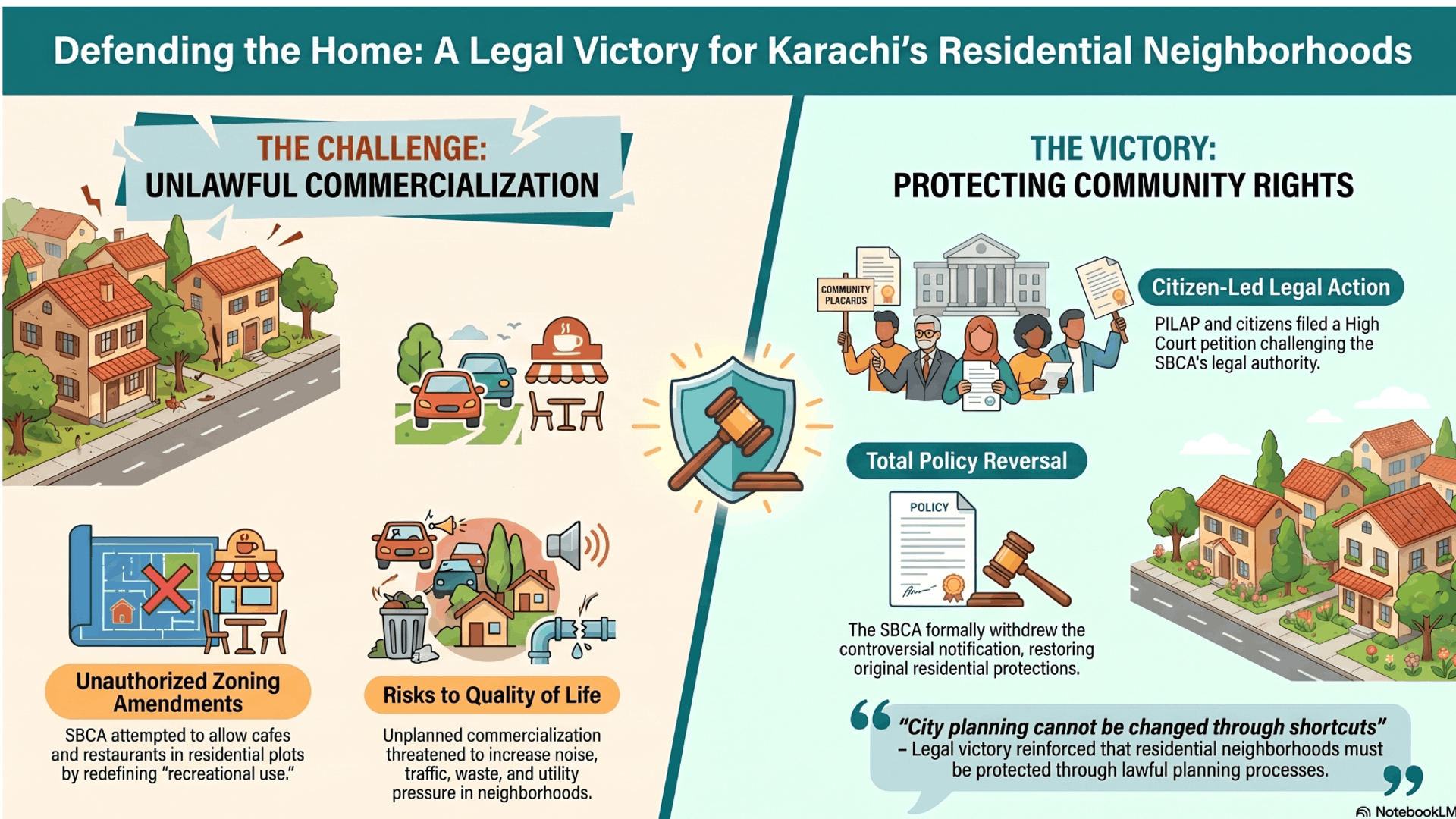
Defending the Residential Character of Karachi neighbourhoods
Sharing a legal victory led by the Public Interest Law Association of Pakistan (PILAP) to prevent unregulated commercialization in Karachi’s residential zones.
By challenging the Sindh Building Control Authority in court, activists successfully blocked amendments that would have permitted businesses like restaurants to operate within quiet neighborhoods. The legal petition argued that such changes exceeded the authority’s power and would have degraded the quality of life by increasing noise, traffic, and pollution.
Ultimately, the government body withdrew the controversial notification, effectively preserving the intended character and safety of local communities.
This case serves as a significant example of how collective citizen action can hold administrative agencies accountable to established urban planning laws. Consequently, the outcome reinforced the principle that city development must prioritize the rights and well-being of its residents over unauthorized commercial expansion.
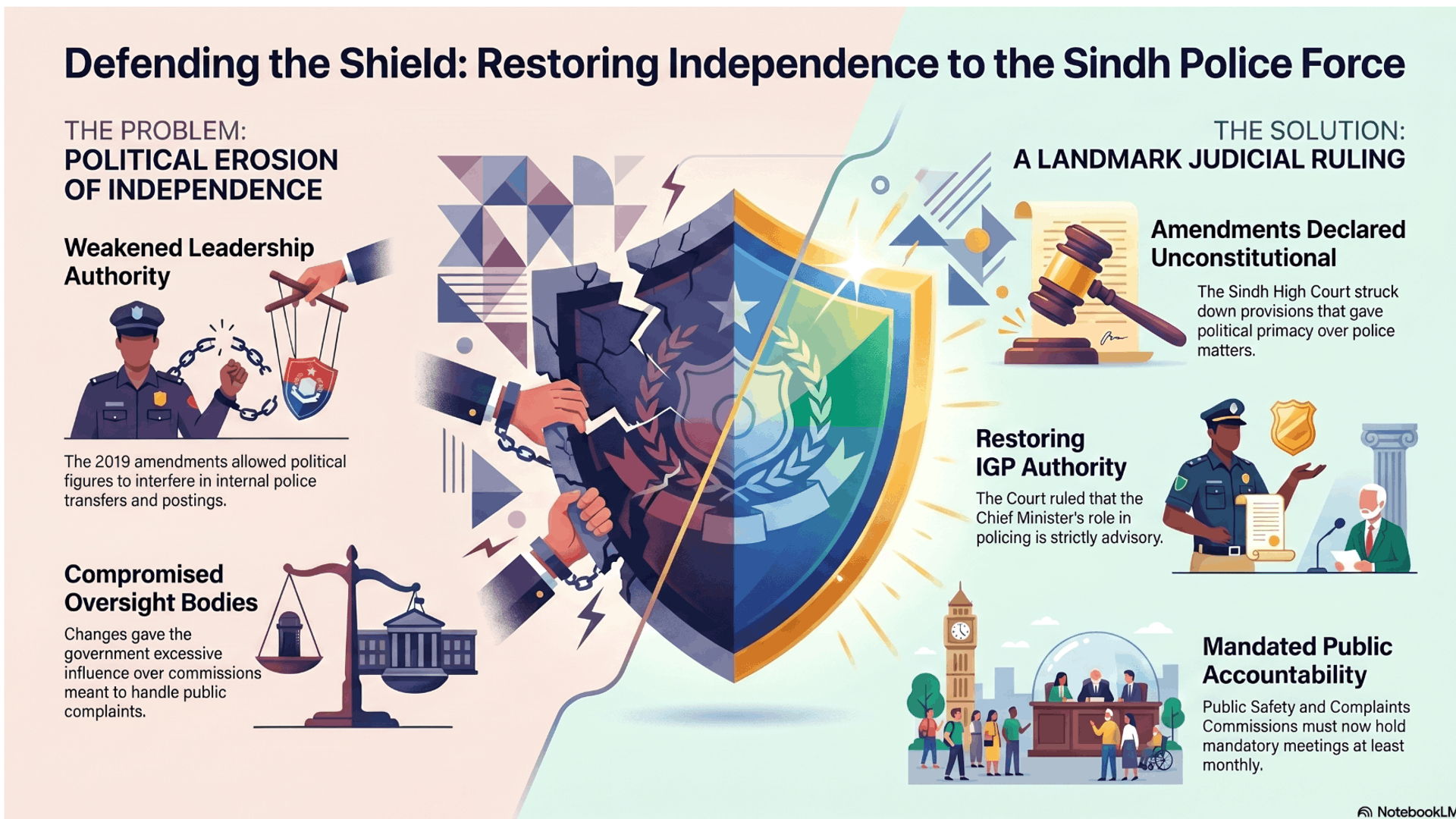
Defending the Shield: The Sindh Police Independence Reform Case
Sharing a case study which details a significant legal victory by PILAP in the Sindh High Court aimed at safeguarding police independence from political interference.
The litigation successfully challenged the Sindh Police Amendment Act of 2019, which the court found unconstitutionally weakened the authority of the Inspector General and compromised citizen-led oversight bodies. By striking down these amendments, the ruling ensured that senior police appointments remain free from the absolute control of political figures, prioritizing the rule of law over partisan interests.
This judicial outcome reinforces the necessity of accountability and ensures that law enforcement serves the general public rather than influential government officials.
Ultimately, the source illustrates how public interest litigation can effectively preserve the integrity of vital democratic institutions.
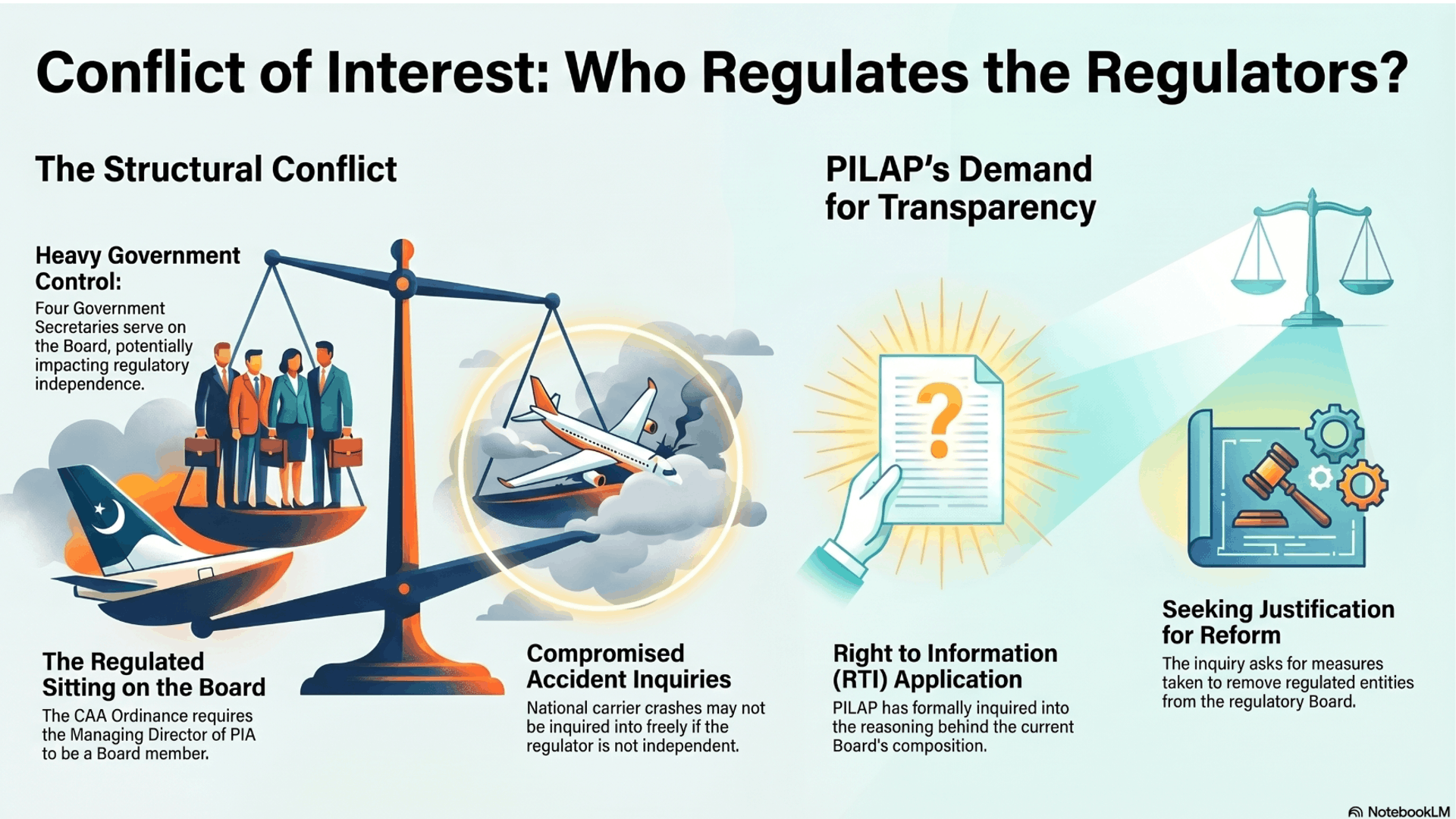
Conflict of Interest in Aviation Governance
PILAP advocated for reform of Pakistan’s Civil Aviation Authority by highlighting the conflict of interest created when the same institution acted both as an aviation regulator as well as a service provider.
The initiative raised concerns over a serious regulatory flaw, where the head of a national airline served on the board of the very authority responsible for overseeing aviation safety. Such an arrangement called into question the independence of regulatory oversight and accident investigations, particularly where government bodies and regulated entities appeared to be involved in monitoring themselves.
PILAP wrote and met with the Advisor to the Prime Minister on Aviation, raised concerns around regulatory independence, transparency, and accountability, especially where regulated entities and government representatives were involved in the Authority’s governance structure.
These concerns formed part of a wider reform discussion that ultimately led to the separation of the CAA’s regulatory and service delivery functions. In 2023, the Government created the Pakistan Airports Authority to manage airport service functions, while regulatory responsibilities such as licensing, flight standards, airworthiness, and air transport oversight remained with the CAA.
This marked an important step toward stronger institutional accountability, independent oversight, and improved governance in Pakistan’s aviation sector.
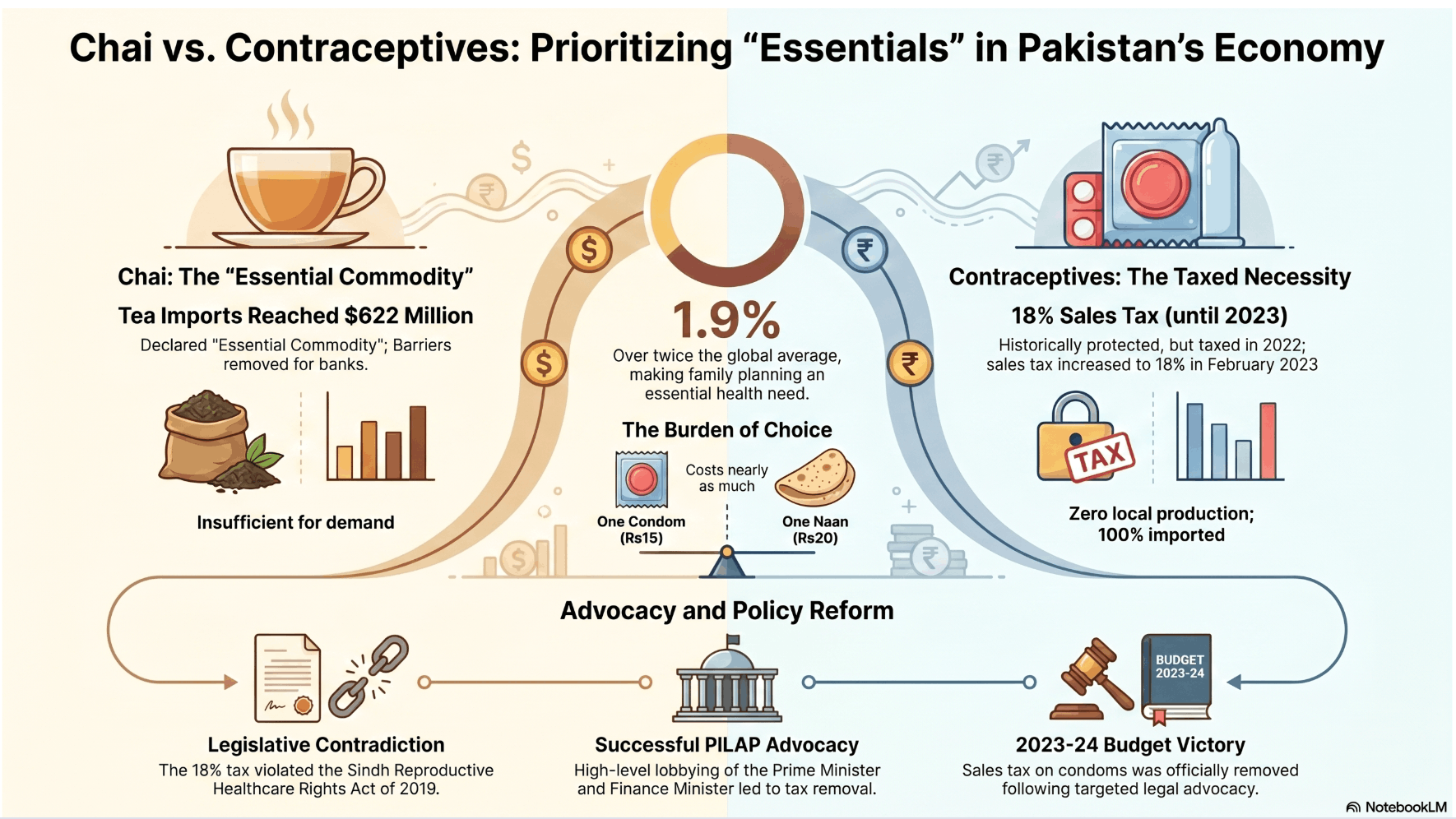
Chai Versus Condoms: The Politics of Pakistani Priorities
Back in 2023 Pakistani government faced criticism for prioritizing tea imports over reproductive health commodities amidst a severe economic crisis.
While tea was designated an essential commodity to ease import restrictions, contraceptives were subjected to high sales taxes and import barriers despite Pakistan’s rapid population growth.
An advocacy group, Public Interest Law Association of Pakistan (PILAP), argued that these financial burdens forced citizens to choose between basic nutrition and family planning, contradicting existing laws intended to ensure affordable healthcare.
As part of the advocacy initiative, they wrote letters to PM Shahbaz Sharif, Finance Minister Ishaq Dar, Federal Minister of Economic Affairs Ayaz Sadiq, Commerce Minister Naveed Qamar, CMs of all provinces, President Arif Alvi, and Senate Chairman Sadiq Sanjrani, questioning the decision to impose sales tax on contraceptives
Eventually, PILAP was successful in removing the sales tax on condoms which has been reflected in the 2023-24 Budget and helped restore contraceptive affordability and accessibility.
Right To Information
Civil Aviation
Children Rights
Education
Environment
Minority
Petrol Reg
Population
Stray Dogs

Other Work
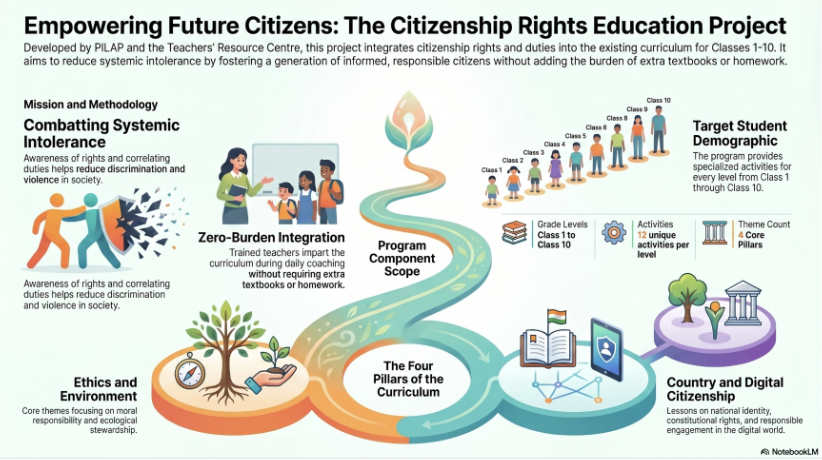
Citizenship Rights Education
Empowering Future Citizens: The PILAP Rights Curriculum
The Citizenship Rights Education project is a collaborative initiative designed to address the widespread lack of legal and civic awareness in Pakistan.
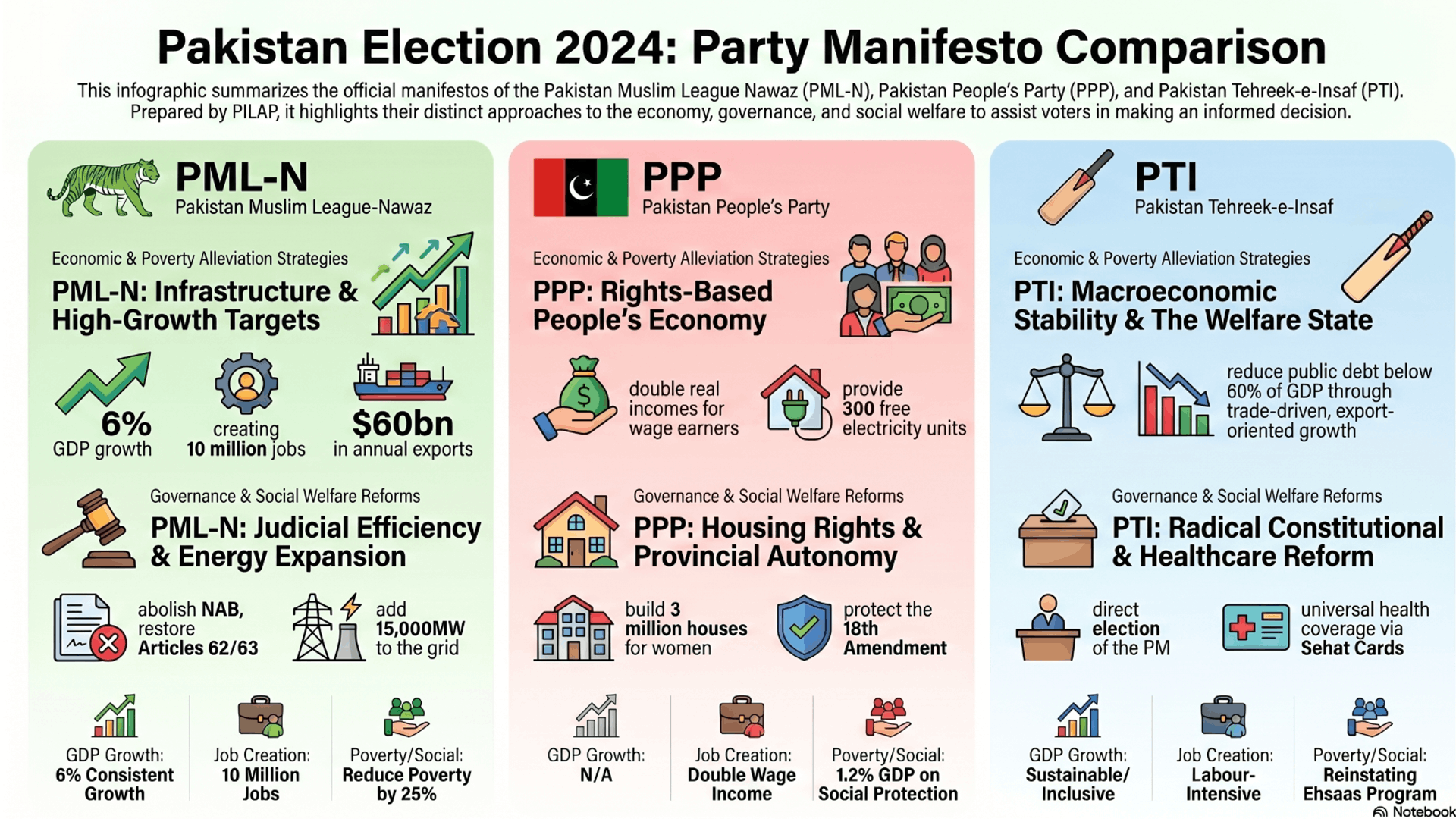
Manifesto Comparison Election
2024
The primer has been prepared to provide an overview of the manifestos of the three main political parties– Pakistan Muslim League Nawaz, Pakistan People’s Party, and Pakistan Tehreek e Insaf – contesting in the General Elections 2024 on 8 Feb, 02024.
Support Our Work
Your membership helps us continue our research, advocacy, and litigation efforts.